IRIS DATA ENGINE
DETERMINISTIC ENTITY RESOLUTION ACROSS 500+ SOURCES
IRIS ingests, normalizes, and links entity data from sanctions lists, PEP databases, corporate registries, and offshore leak datasets into a unified identity graph. Every entity receives a deterministic Naralin ID with full source traceability.
OVERVIEW
One entity. One record. Every source.
Compliance teams waste hours reconciling entity data scattered across sanctions lists, corporate registries, beneficial ownership databases, and PEP datasets. IRIS resolves this by ingesting, normalizing, and linking entities across every source into a unified graph.
Each entity receives a deterministic Naralin ID — not a probabilistic match, but a resolved identity backed by phonetic algorithms, transliteration-aware tokenization, and configurable similarity thresholds. The result: a single, auditable entity record that can be queried via API or inspected in LENS.
IRIS
HOW IT WORKS
[ DATA INGESTION ]
Ingest from 500+ authoritative sources continuously.
IRIS pulls from sanctions lists, corporate registries, leak databases, PEP databases, beneficial ownership records, government debarment feeds, and hundreds more. Sources are monitored and re-ingested automatically when upstream data changes. New sources are onboarded in hours, not weeks.
[ ENTITY RESOLUTION ]
Fuzzy matching across scripts, aliases, and partial records.
Phonetic algorithms, transliteration-aware tokenization, and configurable similarity thresholds link entities across naming conventions. "Владимир" and "Vladimir" resolve to the same entity. "محمد" and "Mohammed" are linked. Shell structures and layered ownership are traversed automatically.
[ IDENTITY GRAPH ]
Build a connected graph of entities, relationships, and risk signals.
IRIS constructs a graph where entities are nodes and relationships — ownership, directorship, sanctions matches, source links — are edges. Multi-hop traversal exposes hidden connections: an entity that appears clean by name may be two hops from a sanctioned UBO through a BVI shell.
[ STRUCTURED OUTPUT ]
Every resolution is deterministic and auditable.
A single API call returns the resolved entity, matched sources, confidence score, resolved aliases, linked corporate structure, and source-level citations. Every field traces back to its authoritative origin. Average latency: under 200ms.
IRIS ENGINE
CAPABILITIES
P01
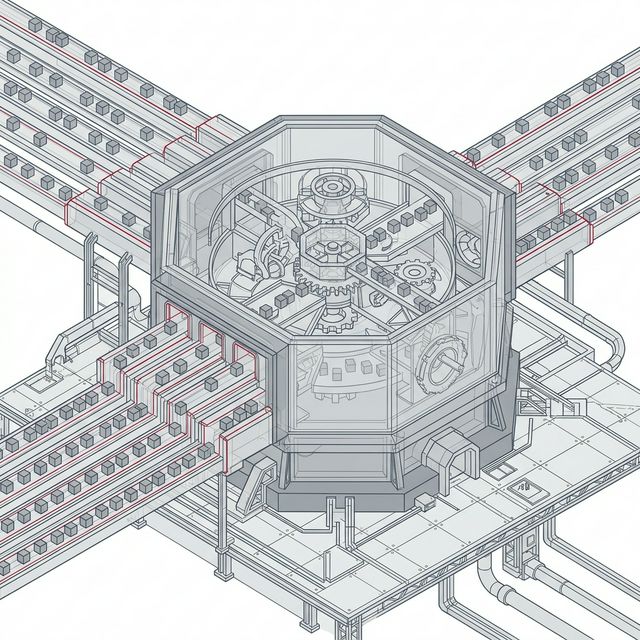
MULTI-SOURCE INGESTION
Automated ingestion from sanctions lists, corporate registries, leak databases, beneficial ownership records, and 500+ additional sources. New sources onboarded in hours, not weeks.
P02
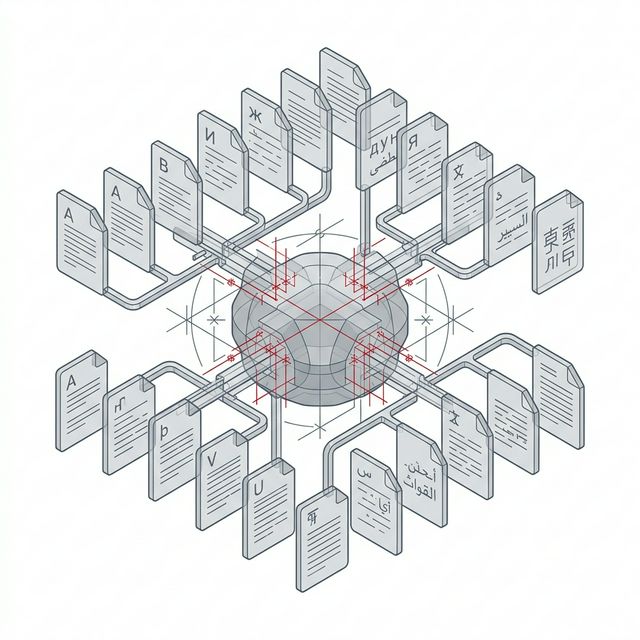
FUZZY RESOLUTION
Phonetic, transliteration-aware, and token-level matching. Handles Cyrillic, Arabic, CJK scripts. Configurable similarity thresholds per use case.
P03
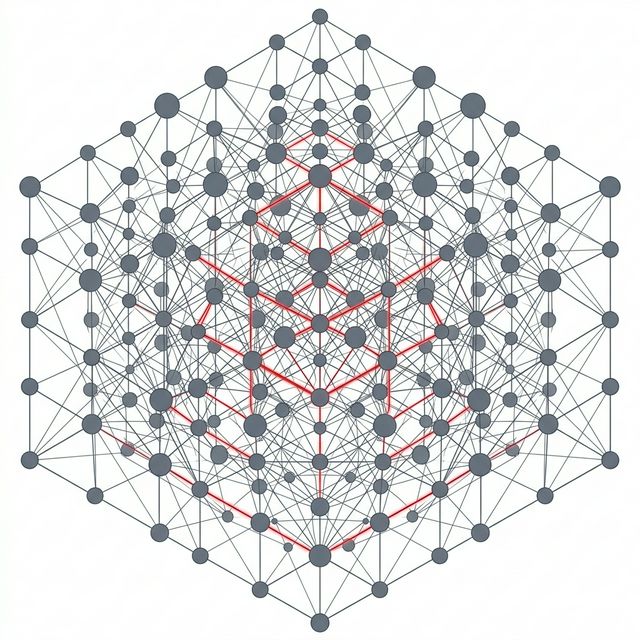
IDENTITY GRAPH
Entities linked across sources by shared identifiers, addresses, and ownership chains. Graph traversal exposes hidden relationships and shell structures up to 10 hops deep.
P04
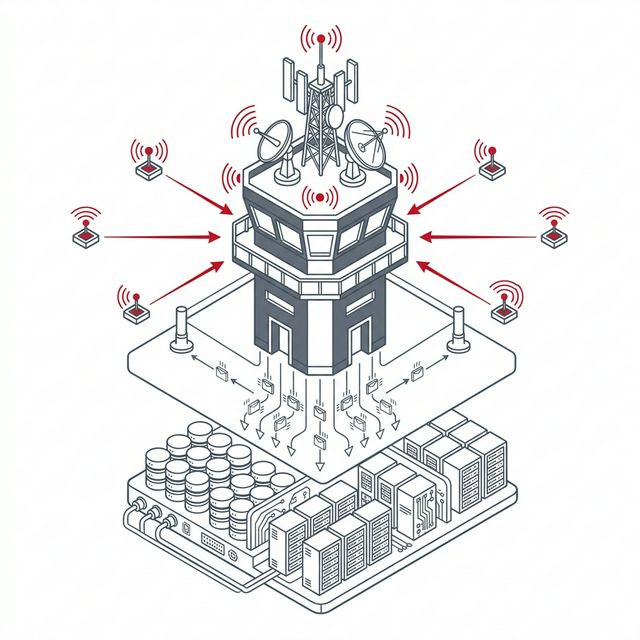
REAL-TIME MONITORING
Continuous monitoring of upstream sources. When a sanctions list updates, affected entities are re-resolved and downstream systems are notified within minutes.
IRIS DATA ENGINE
SOLUTIONS
[ RECORD NORMALIZATION ]
Standardize fragmented entity data into canonical records.
Entity names arrive in different formats, scripts, and conventions across every source. IRIS normalizes all variants into a canonical record format — standardized name ordering, unified date formats, resolved addresses — so downstream systems never deal with raw data. Every normalization step is traceable.
[ CROSS-SOURCE DEDUPLICATION ]
Merge duplicate records from 500+ sources into one entity.
The same entity may appear in sanctions, regional, offshore leak, and corporate registry data — each with different identifiers, spellings, and metadata. IRIS deduplicates across all sources, assigning a single deterministic Naralin ID backed by multi-signal confidence scoring. No false positives. No blind spots.
[ OWNERSHIP CHAIN TRAVERSAL ]
Trace beneficial ownership through layered corporate structures.
IRIS captures and links corporate officers, shareholders, and registered agents across corporate registries, legal entity databases, and leak databases. Multi-hop traversal identifies ultimate beneficial owners behind nested shell entities — even when they span multiple jurisdictions and intermediary layers.